 Evolution of Life
Slideshow
Edit
1. Formation of Earth and Initial Conditions
2. First Life Forms and Prokaryotes
3. Stromatolites and Photosynthetic Activity
4. Abiogenesis and Chemical Origins
5. Endosymbiotic Theory
6. Cambrian Explosion and Diversification
7. Colonization of Land by Life
8. Rise of Dinosaurs and Mammals
9. Natural Selection and Extinction Events
10. Fossils and Genetic Evidence of Evolution
Origins of Life
1. Formation of Earth and Initial Conditions
The Earth formed around 4.5 billion years ago, setting the stage for life. Early conditions included volcanic activity and a primordial atmosphere.
2. First Life Forms and Prokaryotes
The earliest evidence of life, dated at 3.5 billion years ago, shows simple prokaryotic organisms, marking life’s humble beginnings.
3. Stromatolites and Photosynthetic Activity
Stromatolites, fossilized microbial mats, indicate early photosynthesis, demonstrating life’s ability to harness energy from sunlight.
4. Abiogenesis and Chemical Origins
Loading equations
5. Endosymbiotic Theory
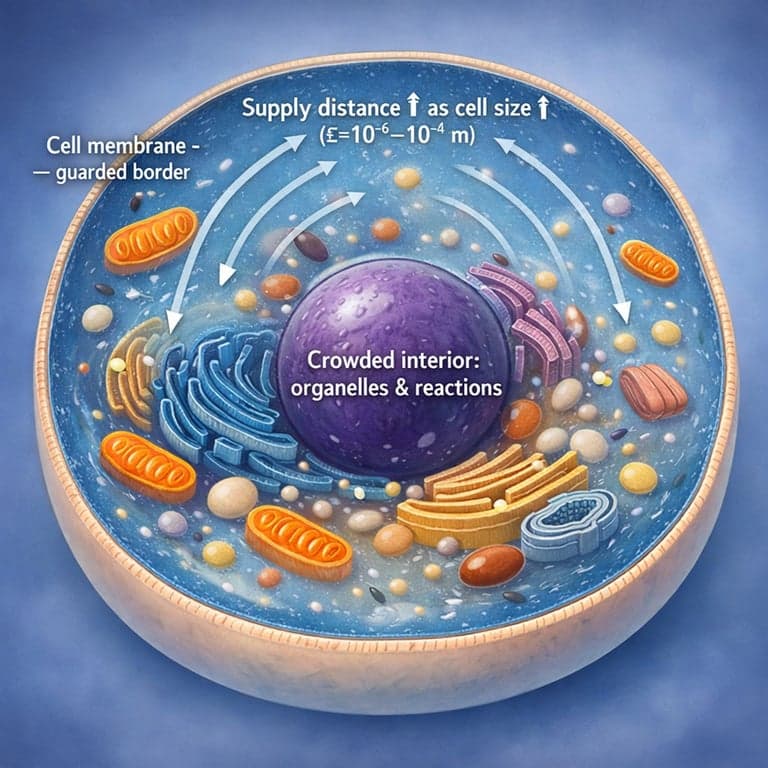
Endosymbiosis explains eukaryotic cell formation from symbiotic relationships among multiple prokaryotic cells, a key evolutionary leap.
Major Evolutionary Milestones
6. Cambrian Explosion and Diversification
Approximately 541 million years ago, the Cambrian Explosion led to rapid life diversification, introducing most major animal phyla.
7. Colonization of Land by Life
Around 500 million years ago, life extended to land with plants and fungi adapting, followed by animals such as early amphibians.
8. Rise of Dinosaurs and Mammals
Dinosaurs ruled the Mesozoic era, while small mammals coexisted with them, later diversifying after the Cretaceous extinction event.
Natural Selection and Extinction
9. Natural Selection and Extinction Events
Darwin's natural selection theory details survival advantages. Earth’s five major mass extinctions reshaped life significantly.
10. Fossils and Genetic Evidence of Evolution
Fossils and genetic data offer insights into evolution, displaying chronological and relational development over millions of years.


 Evolution of Life